


If you’re into dirt biking, then you know all-too-well the risks that come with adventure. Fortunately, there are always things that you can do to lower than the chance of an accident. Without adequate protection, you could end up hurting yourself or damaging your bike. With tight turns, uneven terrain, and the danger of jumps, this is a sport that requires the rider to take steps to minimize their risk. While some see crash bars as part optional motorcycle accessories, its near-essential to dirt bikes, we’ll be taking you through a look at crash bars that are typically fitted to high-end off-road motorcycles.
What are crash bars?
Crash bars are tubing that finds its place on the lower section of a bike’s frame. This loop-shaped bar forms a barrier between the point of impact and the structure of your bike & its parts. Crash bars, at times, go by other names. They’re sometimes also known as roll bars, crash protection bars, safety bars, engine guards, and even highway bars. It all depends where you’re from, but the official standard term for this safety feature is ‘crash bars.’
The benefits of crash bars
While we’ll soon be showing you exactly how a crash bar protects you and your bike, here’s a wrapup of the main benefits to expect:
- Protection from falling over whether stationary or moving
- Crash bars guard expensive components like your engine & radiator
- Protects the bodywork/paint finishing from touching the ground
- Low risk of getting stranded due to a minor spill
- Fitted crash bars minimize the risk of having your leg stuck under the bike
How do crash bars work?
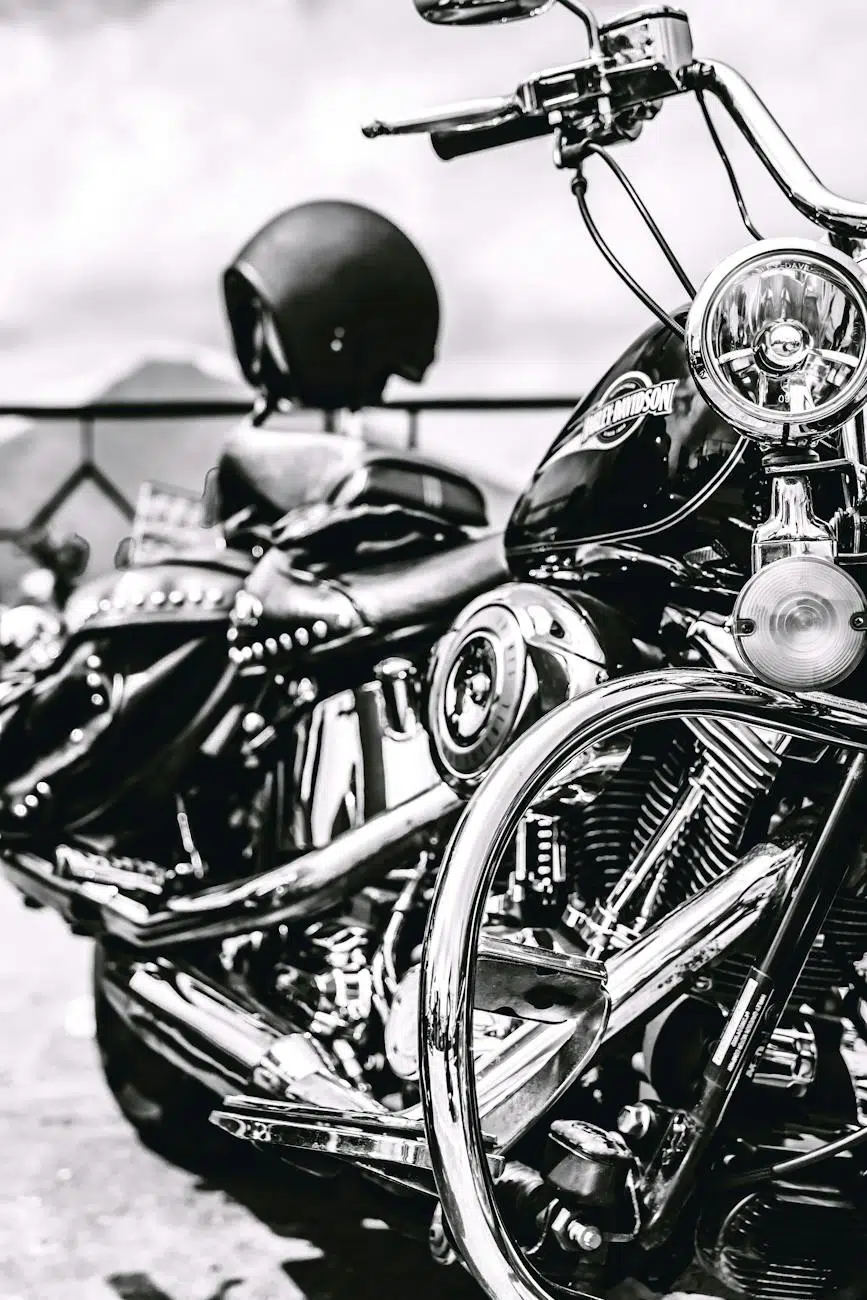
The crash bar fitted to your bike protects the handlebars, frame, suspension, engine, and most of the parts. If you fall, it takes the knock instead of allowing the force to break vital components of your bike. A crash bar protects your engine case, bodywork, gas tank and radiator as its primary purpose. What many do not realize is that crash bars also help protect the rider. With a crash bar fitted, the risk of severe damage to your legs or feet if your bike slides or topples is far lower.
What are crash bars made of?
The material used to make crash bars gives you a good indication of its quality. Aluminum crash bars are incredibly lightweight, but they’re harder to work with and therefore cost more. Another upside is that aluminum doesn’t rust, but they’re weaker than steel. Stainless steel crash bars don’t get rusted easily, but they’re not as flexible. This means that a few falls could result in cracking, making replacement necessary faster than aluminum & mild steel. Mild steel rusts, but they are cheap and sturdy. Consider mild steel if you can’t afford other crash bars.
What type and weight of the crash bar do I need?
Don’t be fooled by an extra-thick motorcycle crash bars for sale. Just because you’ve got a robust framework of tubing, this doesn’t mean that the protection is up-to-scratch. When crash bars are too thick, they transfer far too much impact energy to your mountings. Look for a well-designed set of crash bars that are not entirely unbendable but rather strong enough to resist force. Also, make sure that any potential set fits your bike without impairing your ability to perform routine maintenance. They also mustn’t reduce cornering and ground clearance either.
How to install motorcycle crash bars?
Depending on your bike and how handy you are, installing crash bars motorcycle protection generally takes between one to four hours. Most of the work involves removing the areas needed to access the mounting points. Keep in mind that specific crash bar installation protocols end up replacing the engine mounting bolts of your bike. Yes, the ones that go all the way into your engine block. Make sure that your bike still has enough engine support with these bolts removed. If not, support your engine with a jack.
What tools do I need to install crash bars?
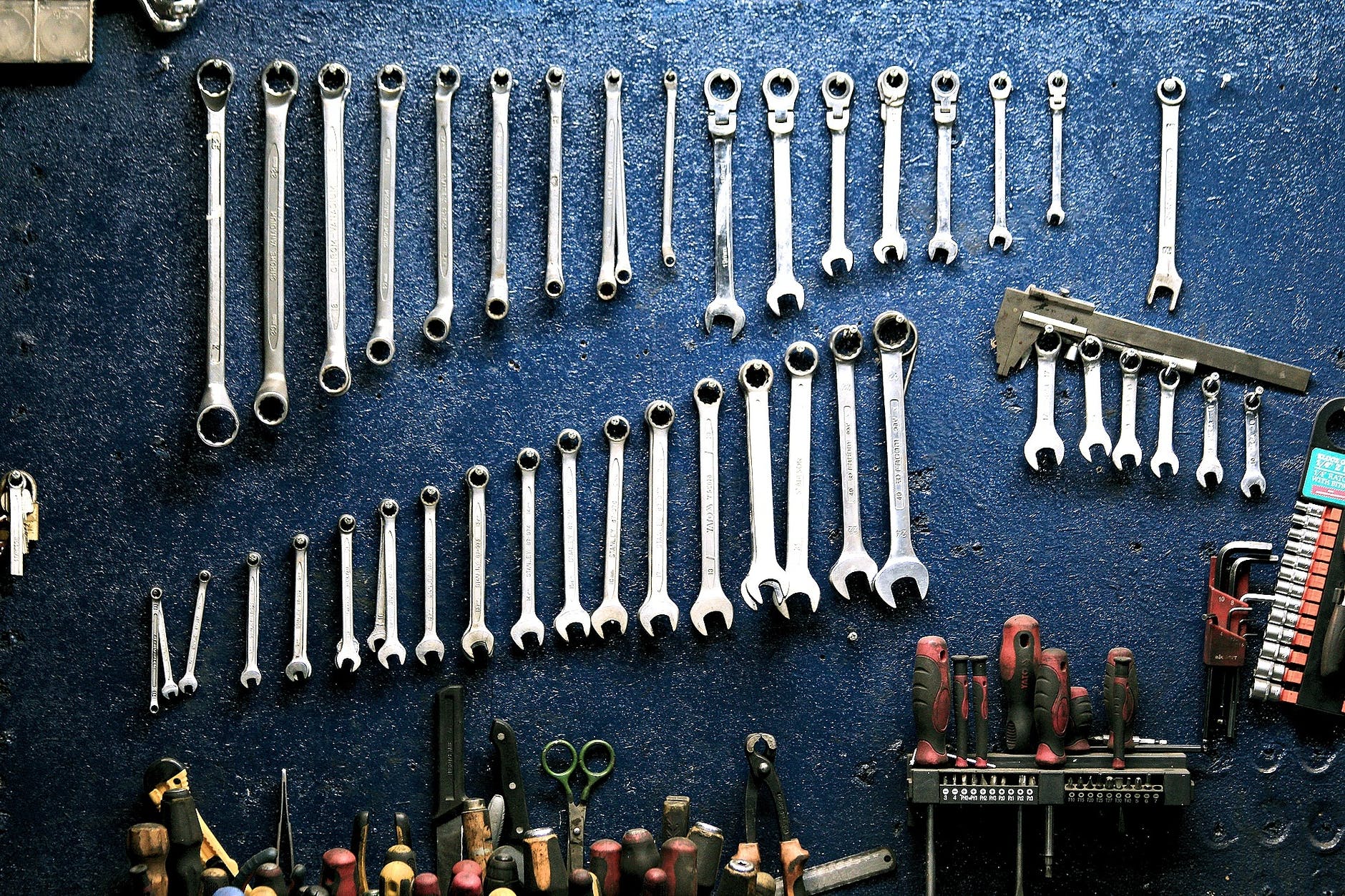
To get started, get out a basic set of wrenches, sockets and a ratchet. You’ll need large Hex and Torx bits too. You’ll also need a well-calibrated torque wrench for your engine mounting bolts. Check the specs in your service manual or contact a professional. It’s always a good idea to only loosely tighten the assembly. This makes lining up your mounted bars much easier. After installation, ride your bike for a few hundred miles and then recheck your torque. It’ll almost always need a slight adjustment.
Installation tips
Make sure that you’ve got some help to maneuver your bike during installation. Fitment is easy, but not alone. Once installed, lay your bike over and check the degree of protection. It’s a sure-fire way to know that you’ve made the right buy. If you want to reduce scratching of your newly installed bars, then either fit a cover or wrap them with heater hose and duct tape.
Is there anything else to know about crash bars?
It is best to look for a design that has a lightweight but durable mounting to minimize the transfer of energy during impact. Always shop for a design that features a cross-bar or else your entire set of crash bars could be susceptible to collapse. If your bike had to take a tough knock, poorly designed bars would fold under pressure. For this reason, a cross-far is almost essential to every good set. Those who enjoy personalization features should keep an eye open for crash bars that have crash bar covers available. Most leading dirt bikes come with bars that are open-ended in terms of customization & design. The cover won’t last if you fall, but it sure looks good until then. One or two small finishes are often all it takes to elevate your bike’s aesthetics.
Shop for Motorcycle Parts Online
Motorcycle products are available online from leading retailers. This availability gives you supreme convenience when shopping for parts that are generally a standard fit to the model and make specific to your bike. Don’t take the risk of riding your motorcycle without crash bars and a bash plate fitted. It’ll save you many costs that often arise from the smallest incidents when riding without protection.